


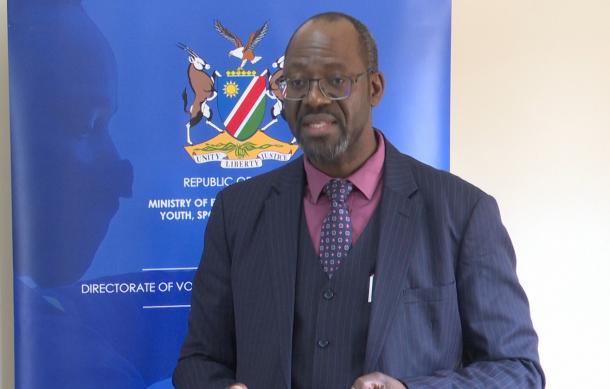
The Executive Director in the Ministry of Education, Innovation, Youth, Sport, Arts and Culture (MEIYSAC), Erastus Haitengela, has called for stronger collaboration between stakeholders to ensure graduates are equipped with the practical skills needed for the labour market.
Haitengela made these remarks in a speech read on his behalf by his deputy, Knox Imbuwa, at the opening of the National Work-Integrated Learning Policy implementation workshop in Okahandja on Tuesday.
The policy aims to bridge the gap between classroom learning and workplace experience by providing learners and students with equitable access to quality work-integrated learning opportunities.
"In today's rapidly changing global economy, academic knowledge alone is no longer sufficient. Our graduates and trainees must possess practical experience, problem-solving abilities, adaptability, digital competencies and the confidence to succeed in an increasingly dynamic workplace."
He further stressed that the true measure of this policy will not lie in its adoption but rather in its tangible impact on students, educational institutions, industries and the nation's economy.
He has also acknowledged the support of the German development agency GIZ, which has provided technical and financial assistance during the policy's development from the years 2020 to 2022.
He has urged all stakeholders to work together to overcome challenges such as limited workplace placements, funding constraints and fragmented coordination.
"Employers remain central to the success of this policy by providing quality workplace learning opportunities and mentoring learners and shaping skills required by our industry. Education and training institutions are equally responsible for embedding work-integrated learning within their curricula and adequately preparing students for the workplace."