


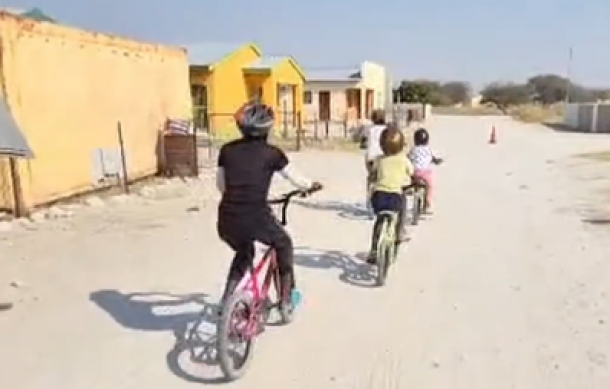
A community-based sporting programme in Omuthiya in the Oshikoto Region is nurturing young riders and keeping children active through structured training and competitive racing. Established in 2015 with just eight bicycles, the initiative caters for boys and girls and aims to develop emerging talent while creating pathways into competitive riding.
The Omuthiya BMX Team was established in 2015 as a community outreach initiative aimed at introducing children to cycling and developing young talent in the Oshikoto Region. The programme started with only eight bicycles and provided youngsters with an opportunity to learn bicycle safety, develop riding skills and participate in organised competition.
Former elite cyclist and Head Coach Salomo Ndeshimona said the initiative was established with support from the Namibia Cycling Federation and RNB Namibia, with the long-term objective of producing riders capable of competing nationally and internationally.
"This was a development idea supported by the Namibia Cycling Federation and RNB Namibia to groom young stars. We teach bike safety and competitive skills for national competition. We focus on BMX as a starting point, but we want to grow. Currently, we have 35 children, mostly boys."
Ndeshimona said girls also joined the programme, but their participation generally declined as they grew older.
"Girls participate at ages eight, ten, and twelve, but their numbers start dropping off around ages fourteen to sixteen."
The initiative expanded beyond Omuthiya, with centres also operating in Oshakati and Outapi.
The three centres brought young riders together through a series of races aimed at identifying and developing promising cyclists. Assistant Coach Petrus Petrus said training sessions were conducted once a week on Sundays, with coaches volunteering their time to develop the youngsters.
He said the programme also provided young people with a positive recreational environment and sought to keep them away from alcohol, drugs and other social challenges.
"We train every Sunday from 8:00 to 10:00 AM on a voluntary basis. The majority of the kids love the sport, as shown by the turnout. Our main goal is to keep young people off the streets and away from alcohol and drug abuse by keeping them busy with sports."
The coaches hoped to introduce older riders to other cycling disciplines, including road and mountain biking, particularly once they progressed beyond the BMX development age group. However, limited funding and a shortage of bicycles remained major obstacles to expanding the programme and retaining cyclists beyond the age of 16.
"Our dream is to introduce riders aged 14 to 16 to other disciplines like road and mountain biking. However, cycling is an expensive sport, and funding is our main challenge. We appeal to potential sponsors to support even just four cyclists so they can continue beyond age 16."
The team appealed to potential sponsors and other partners to provide bicycles and financial support to help promising riders continue their development. For the youngsters, the programme offered more than competition, with participants saying it improved their riding skills and physical fitness.
Seven-year-old Salome Ndeshimona said she developed an interest in the sport after her father taught her how to ride a bicycle.
"My dad taught me how to ride when I was six years old, and I enjoy cycling while standing up."
Sixteen-year-old Hileni Job said she learnt to ride through the programme and had been participating for two years.
"I am sixteen years old and have been cycling here for two years. I learned how to ride a bike through this programme, and it keeps me fit."