


A growing mismatch between skills provided by education systems and those demanded by modern and high-growth industries contributes to millions of young people in Africa remaining unemployed or underemployed.
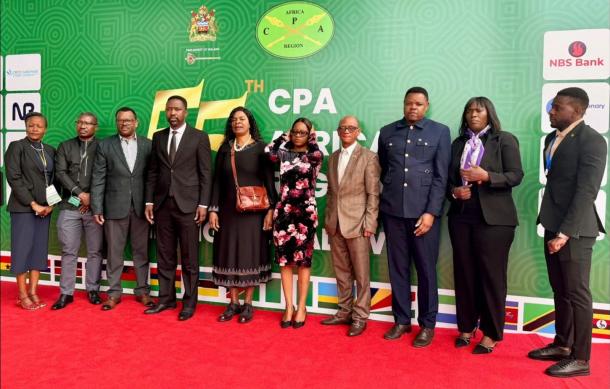
Member of parliament and National Council member Hercules Jantze made the remarks when addressing the 55th (fifty-fifth) Commonwealth Parliamentary Association Africa Regional Conference in Lilongwe, Malawi.
Jantze was addressing the regional conference on the topic 'Education, Health, Social Protection, Bridging the Skills Gap – Aligning Education with Labour Markets Demands'.
The gathering brings together lawmakers united in strengthening parliamentary cooperation, effective representation, accountable governance and inclusive democracy across Africa.
"In Namibia, this challenge is at the forefront of our national agenda. As our economy transforms with major offshore energy discoveries and our ambition to become a global hub for green hydrogen and renewable energy."
Jantze recommended agile curriculum reform, Pan-African skill recognition and incentivising private sector co-investment as interventions to address the broader continental skills mismatch.
"Primary, secondary, and tertiary curricula must embed Science, Technology, Engineering, and Mathematics (STEM), digital literacy, and TVET fundamentals early, ensuring rapid updates as new industries emerge. We must fast-track regional qualifications frameworks to enable seamless labour mobility and cross-border apprenticeships across Africa. Parliaments should introduce legislative and tax incentives that encourage private enterprise to fund technical training centres, apprenticeships, and research hubs."
Jantze concluded that African youth will power the continent's prosperity if classrooms are aligned with industrial frontiers.
A delegation representing Namibia at the regional conference is led by National Council Chairperson Lukas Muha.